
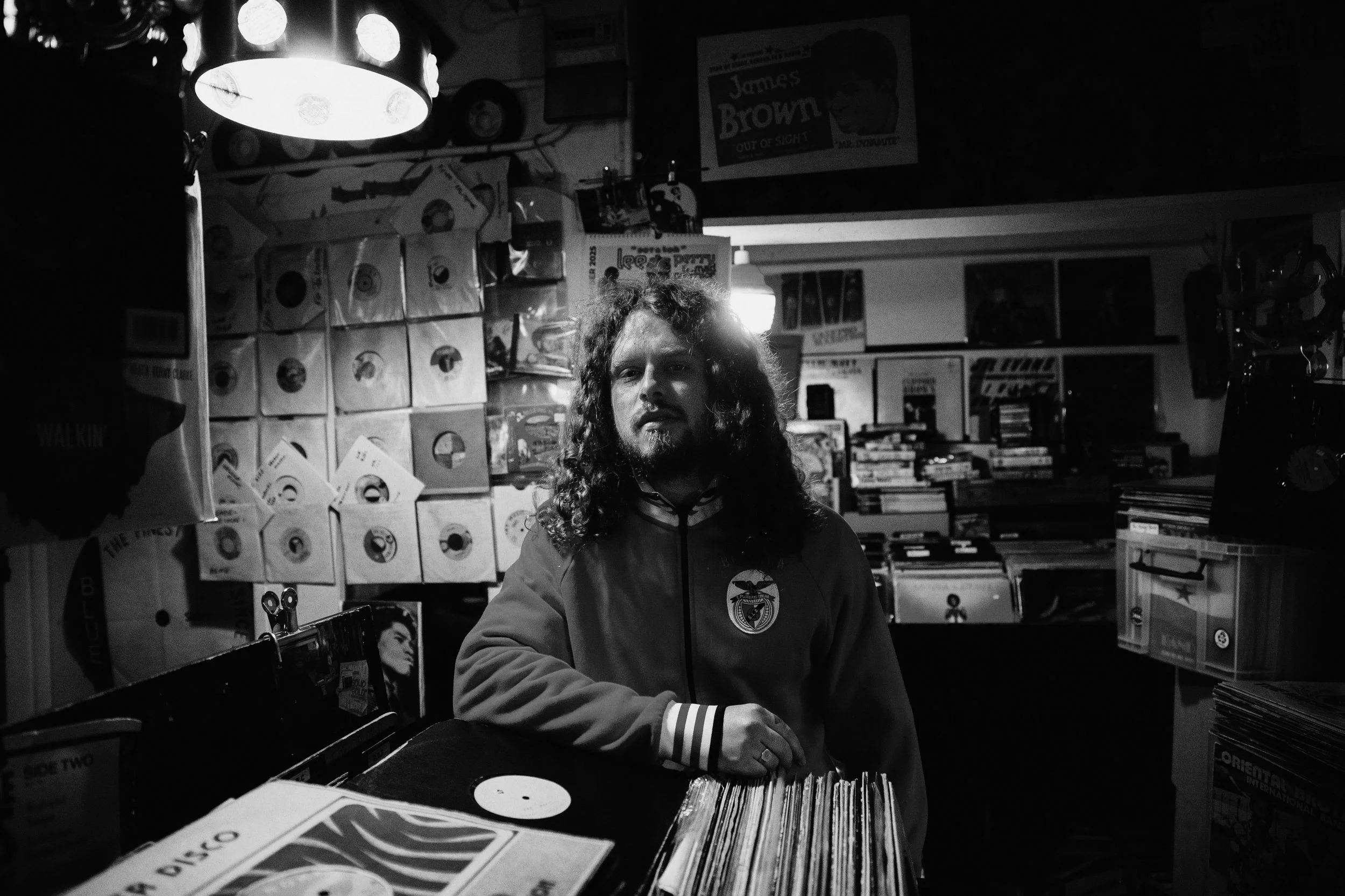
interview:izco
For this conversation, we caught up with izco to talk about the memories and locations that continue to shape his music, the creative freedom behind his latest project, and why chasing timelessness matters more than following trends. From formative days at Powerscroft Road to eight years behind the mic on Rinse, his journey has been guided by curiosity, community and a willingness to let the music evolve wherever it wants to go.
Interview BY kofi owusu
IMAGES BY SHOTBYMELISSA
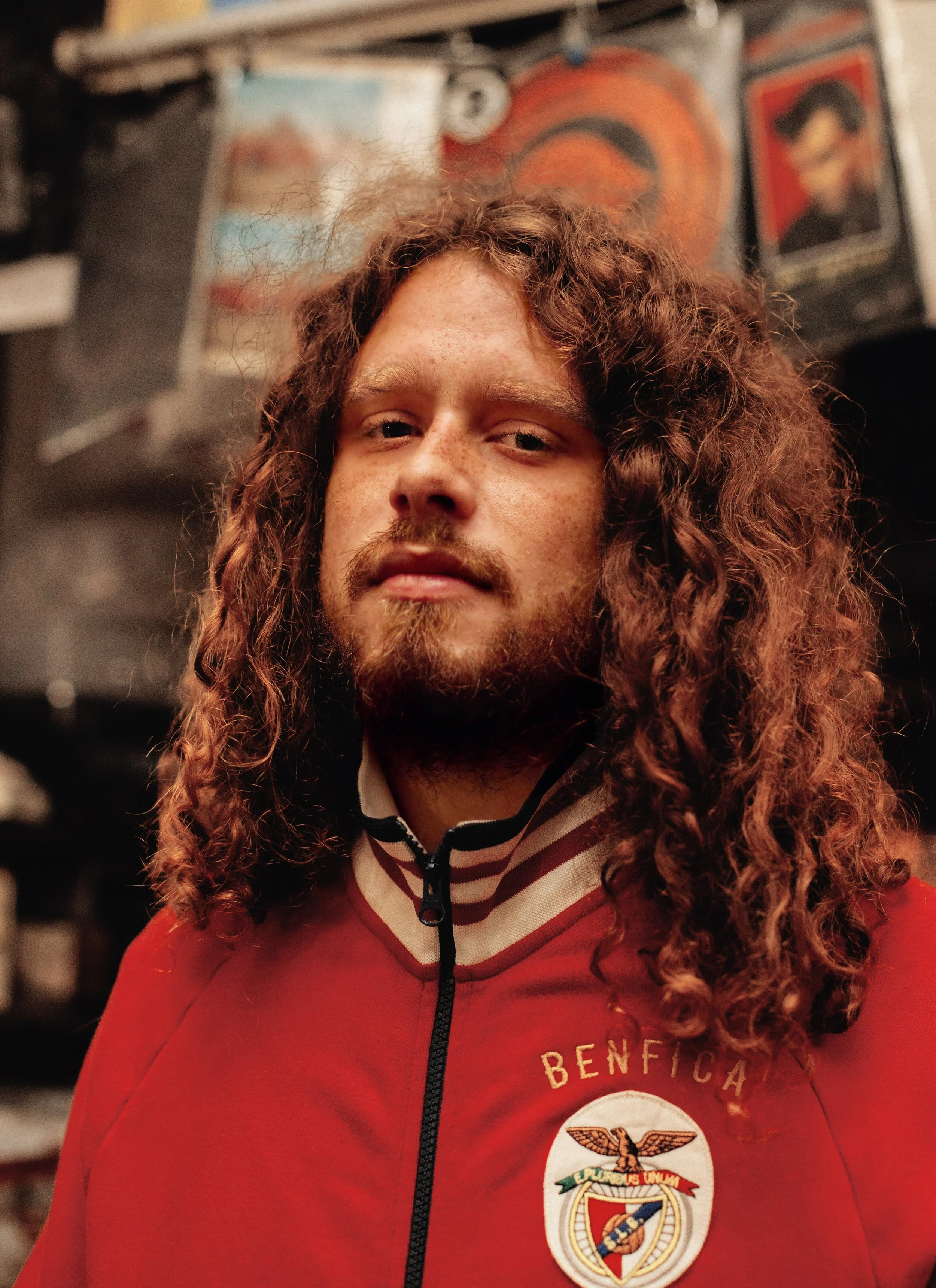
The album is named after the street you grew up on. What made Powerscroft Road the right name for this project, and what does that place mean to you now?
That’s where all my earliest musical and just life memories are. My studio there was the truth it really shaped everything. rather than any specific moments it’s more like a collection of memories flashing through the mind decades but the one constant is the location.
You describe the album as capturing "what it feels like to be in my mind."?
I think you just don’t do it for anyone else, if I made an album thinking about making it for my average listener or whatever it wouldn’t sound like that. I just done it for me and trusted that people trust me enough to give it a listen.
Powerscroft pulls from jungle, broken beat, grime, garage, dub and soul. How do you hold all of that together without it feeling like a playlist rather than a body of work?
Instead of grouping music together by genre I try to focus more on texture, emotion and having some sounds that travel across multiple or all of the tracks. Maybe to some people it does sound like a playlist but it makes sense to me.
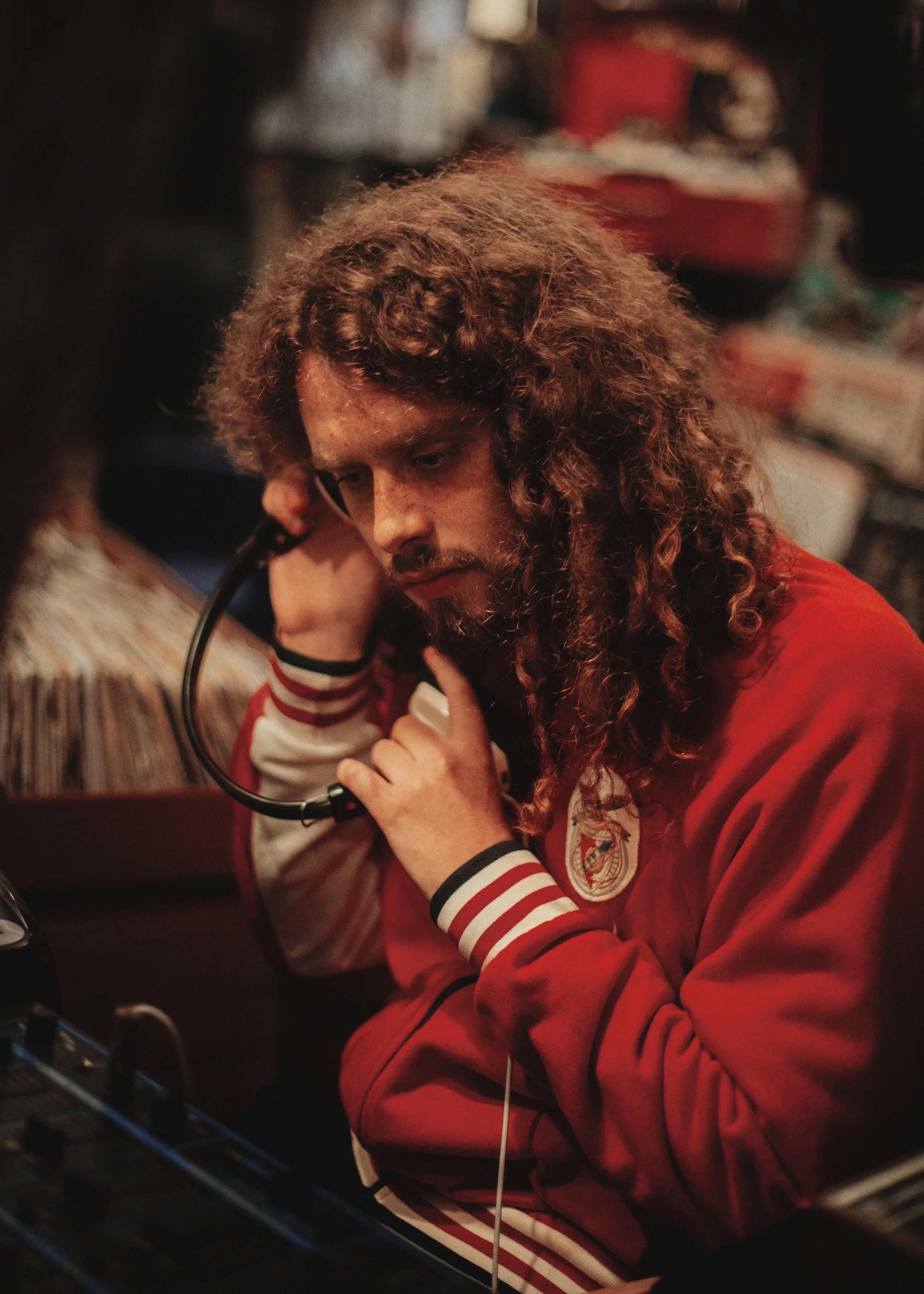
“Instead of grouping music together by genre, I try to focus more on texture, emotion and having sounds that travel across multiple tracks.”
Some of the album comes from archive material alongside newer ideas. How do you know when something you made years ago still belongs in the present?
The best music gets better and better with time so for me making music that fits in the present is just a distraction from actually making something real. The vocal on guiding star was from an old reek0 tune called Soulja we recorded at Powerscroft Road like 5 years ago and never released so that was a nice suprise.
Komodo was written in a hotel room in Bangkok. How much does your physical location shape what you make, and do you work differently when you're away from home?
I think being out and about and making music is nice cos u don’t have all the time you normally have to procrastinate, you just capture the moment before you have to put away the laptop or whatever and keep it moving. I think location plays a massive part in making music, but it doesn’t have to be where you are physically it could be a memory or just something in your imagination
You started producing at 11, making rap beats before finding your way into grime and club music. What was the turning point, the moment you knew the direction had shifted?
The direction is always shifting and I hope it always stays shifting. I guess I was just trynna see what was possible for me to make and then learning more and more that anything’s possible.
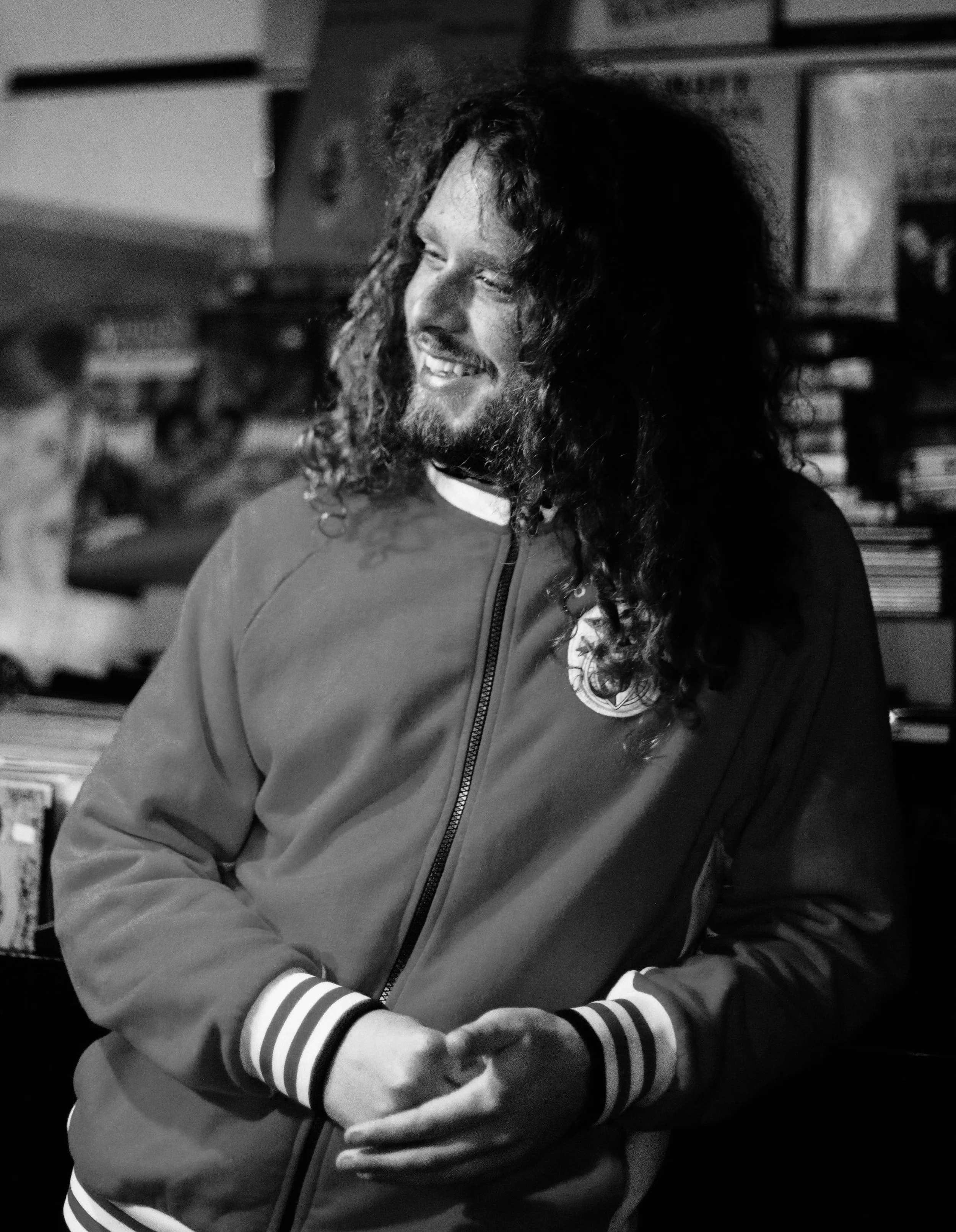
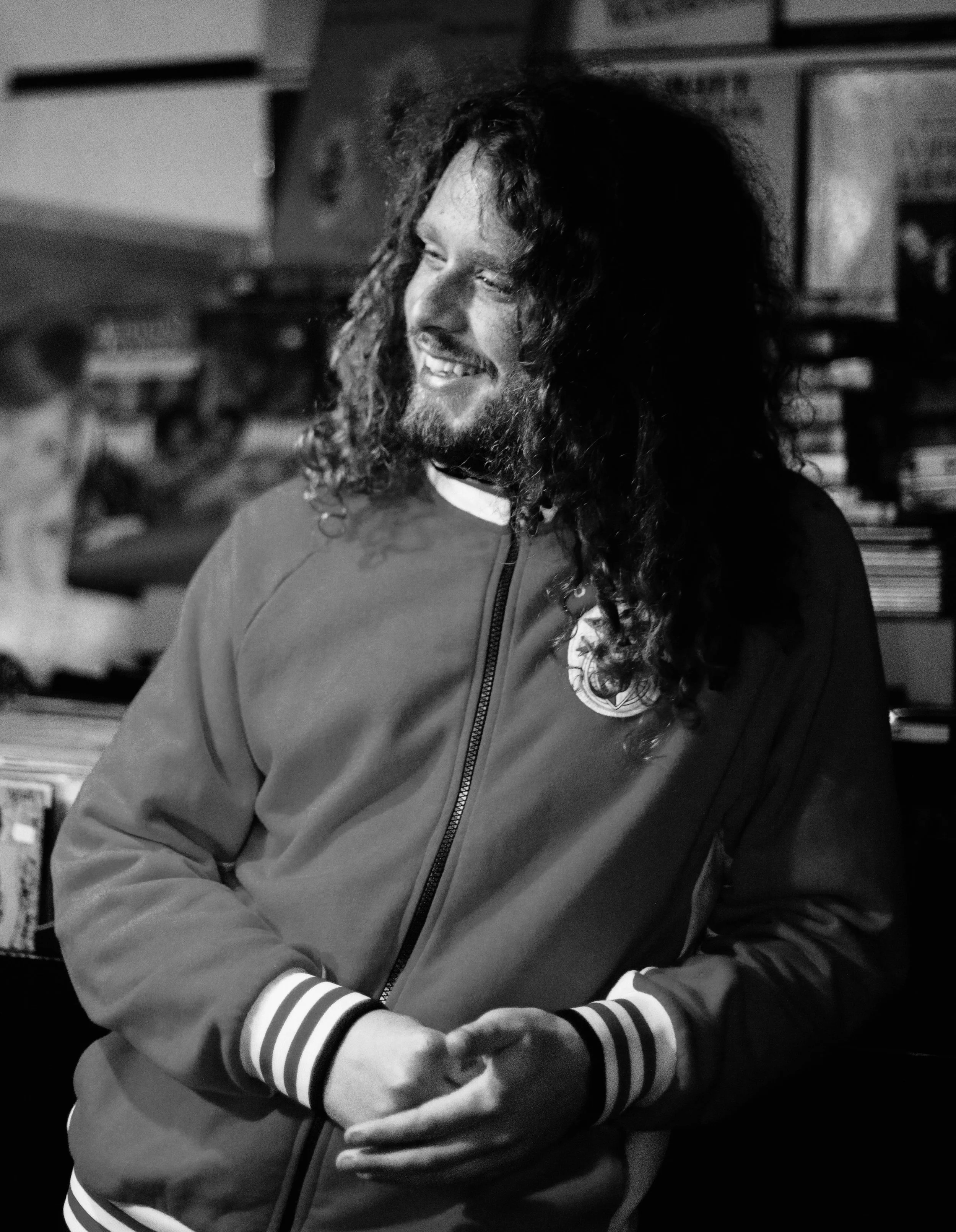
“The best music gets better and better with time, so making music that only fits in the present is a distraction from making something real.”
Your work with reggae legend Bob Andy is mentioned as a key influence. What did that experience teach you that production alone never could?
It More just taught me about life + coincidence. The fact that someone so accomplished would be so humble to come and make music with me and my bro frenzy is just beautiful. I can’t speak highly enough of him and that experience. Rest in Power Bob Andy
You have production credits on PinkPantheress, Katy B, Greentea Peng. How do you move between your own artistic instincts and what another artist needs from you in the room?
I guess there’s an element of moulding your own sound to fit someone else’s projects when working with others, but at the same time they wouldn’t wanna work with me if they didn’t want me to be myself so you just gotta find a balance that your comfortable with. Do your thing but for them, rather than doing someone else’s thing for them.
Six years on Rinse FM is a serious run. What did that time teach you about building an audience and staying connected to the culture over the long term?
8 years on Rinse This year. It’s been a blessing, super grateful for the platform and yeah radio has been an outlet for me, so many artists make so much music that never gets heard so radio is a blessing for me.
Brighter Days Family feels like more than a collective, it reads like a community with a genuine ethos. What made you want to build something communal rather than just focus on your own lane?
It kind of just felt natural for it to build like that, why not have it like that if it’s possible? I can’t imagine it being any other way, we all get so much out of it. The shows have always felt like them special moments in life we will remember forever.